
Stop Calling Everything Culture
Brand strategy has got very good at making everything sound profound. Maybe too good.

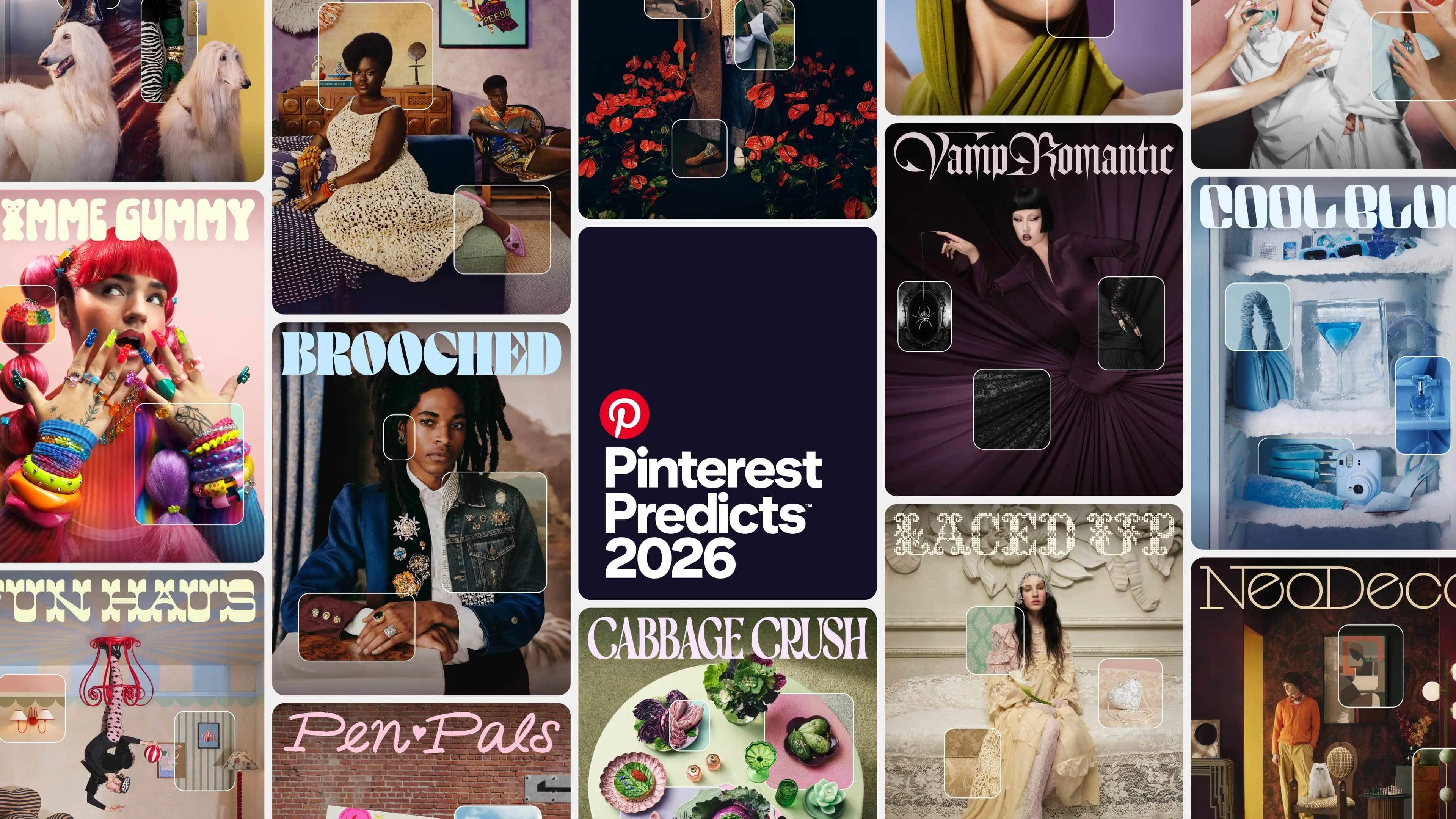
We all need to chill about culture. Not ignore it. Not dismiss it. Just stop treating it like a specialist language that only influencers, social listening dashboards and one exhausted strategist with 27 tabs open can decode.
Somewhere, right now, someone has seen a new eyebrow shape and is preparing a Dazed article about what it tells us about class, identity and collective resistance. And, annoyingly, they might not be completely wrong. Nothing comes from nowhere. Beauty trends, memes, slang, fandoms, sport and platform behaviours all carry clues about taste, status, anxiety, identity and belonging. But if you are clever enough, you can make anything sound deep. And this industry is very clever. Too clever, sometimes.
We have inflated the word “culture” until it means almost nothing. A TikTok format is not culture. A meme is not automatically a movement. A niche behaviour is not a human truth. A social listening spike is not a strategy. A lot of what gets called “culture work” is really trend laundering: taking something visible, giving it a theory, and treating it as understanding.
The problem is not that culture has disappeared. It is that mass culture has fragmented, while we still talk as if everyone is standing in one big room. They aren’t. They are in feeds, fandoms, group chats, football WhatsApps, mum groups, gaming servers, beauty tutorials, religious communities, niche Reddit threads and weird little algorithmic weather systems built just for them. My TikTok feed is not TikTok. It is a strange portrait of me. Yours is different. That is the point. The For You Page is not the public square.
So when someone says “this is all over TikTok”, they often mean “this is all over the bit of TikTok we have been staring at.” That does not make it useless. It should just make us more humble. By the time a trend reaches the client meeting, it is often no longer culture. It is evidence that something happened, travelled, got copied, got flattened and finally arrived in a deck three weeks after everyone interesting had moved on.
The job is not to chase every visible fragment and call it culture. The job is to know which fragments matter, to whom, in what context, and whether the brand has any believable reason to be there. Good cultural thinking is not bigger words. It is better specificity. Something like Vaseline Verified worked because it did not pretend there was one big skincare culture to join. It found lots of places where Vaseline already had meaning: beauty hacks, sport, tattoos, drag, healing rituals, DIY fixes and everyday problem-solving. It treated culture as scattered evidence, not one big stage.
So yes, we should care about culture. But culture should not be outsourced to influencers, trapped in trend reports, or placed on the shoulders of one strategist expected to know what the entire internet means. Culture is not a slide section, a vibe check or a laminated eyebrow trying to overthrow capitalism. It is the messy, fragmented material of people’s lives. Stop using “culture” to sound big. Start being specific enough to be useful.